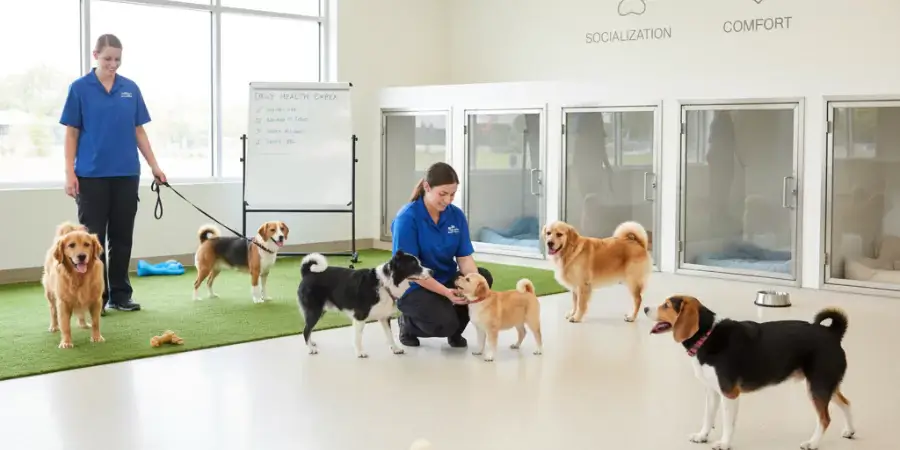
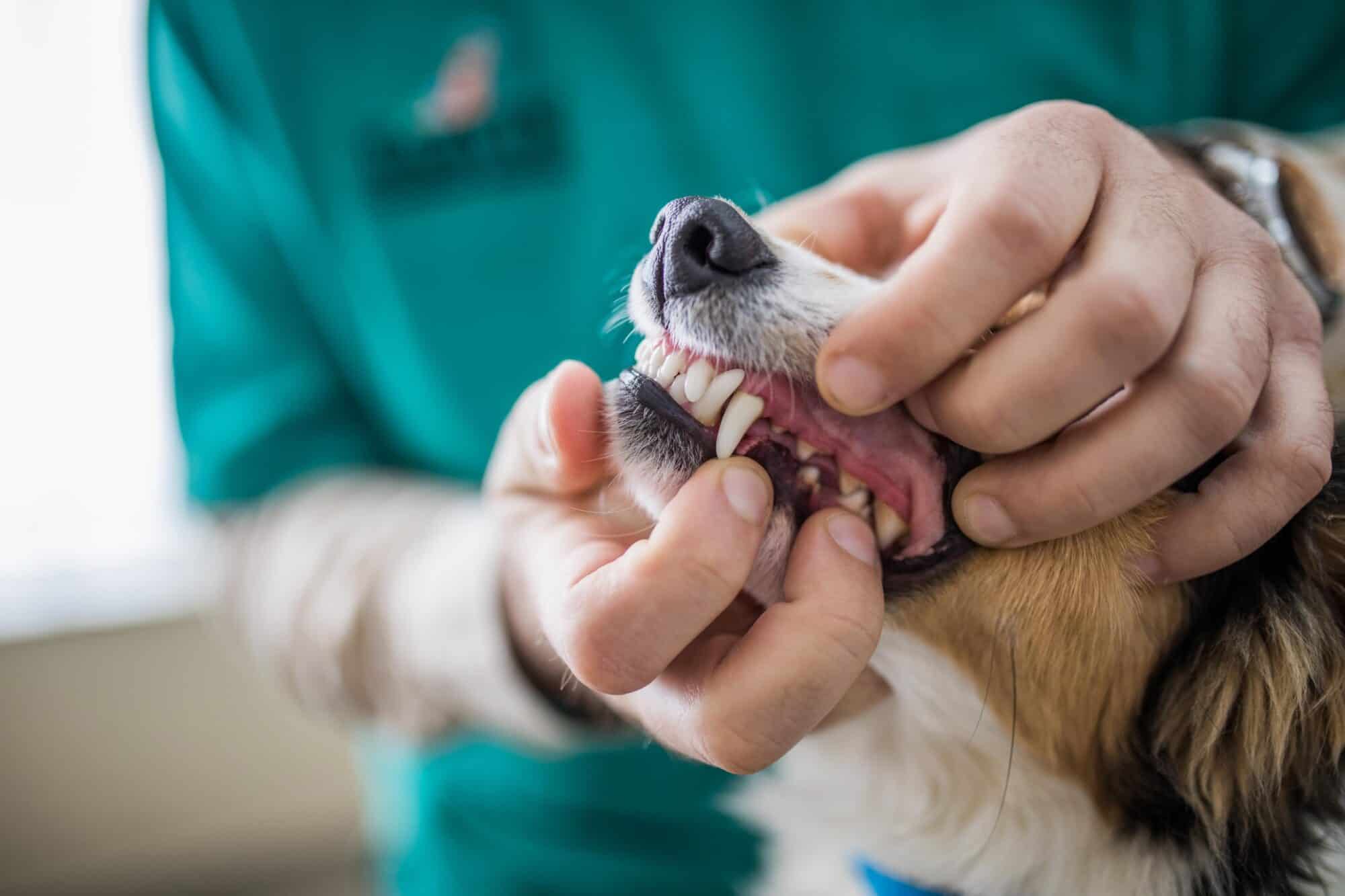
You’ll gain safe, repeatable skills fast by choosing beginner grooming classes that combine hands‑on practice with instructor feedback, scissor and clipper techniques, bathing and dematting, and basic coat assessment. Expect supervised workshops, hybrid modules for theory dog grooming academy, and competency checklists that map progress toward certification. Compare instructor credentials, practicum hours, and school accreditation before you enroll. Budget for tuition plus a starter kit and plan for part‑time or intensive formats — keep going to see sample courses, costs, and next steps.

Why Choose a Dog Grooming Class as a Beginner
If you’re new to dog grooming, taking a structured class gives you a clear, safe path to learn the essential skills—scissor and clipper techniques, breed-specific trims, handling and restraint, and basic coat and skin assessment—under direct supervision cosmos pet universe. You’ll gain systematic instruction that accelerates skill acquisition and reduces risk to animals and yourself. Classes map practical modules to measurable milestones, so you can progress toward certification or independent work. This approach opens concrete career pathways, letting you pivot from hobbyist to professional with targeted competencies. You’ll leave each session with techniques you can replicate confidently, and the course design emphasizes confidence building through repetition and instructor feedback. If you want freedom in your schedule and earnings, this structured route makes that goal achievable.
What to Expect From Hands-On Workshops
When you join a hands-on workshop, you’ll move quickly from demonstration to doing under close instructor supervision, practicing core techniques like combing, dematting, clipper work, and basic scissor finishing on live models or training dogs. You’ll follow a clear sequence: observe live demonstrations, replicate techniques, then refine under targeted correction. Instructors enforce safety protocols and efficient workflows so you build skill without hesitation. Expect structured stations, timed practice, and measurable goals each session. You’ll receive direct, actionable peer feedback and instructor critique that pinpoints small adjustments for immediate improvement. Bring minimal tools and a readiness to learn; workshops prioritize repetition and autonomy, so after several sessions you’ll handle common coat types confidently and make independent decisions about style and maintenance.
Best Online Dog Grooming Courses for Beginners
Look for courses that balance step-by-step video instruction, clear assessment criteria, and hands-on assignments so you can track progress and build practical skills from home. Choose programs that organize modules logically: tools and safety, bathing and drying, basic clipping, scissoring, and finishing techniques. Prioritize courses that include breed specific styling demonstrations and downloadable checklists so you can reproduce looks reliably. Verify assessment methods — video submissions, quizzes, and rubrics — so you know when you’re ready to work solo. Seek instructors who offer structured client communication tips and templates for consultations, estimates, and aftercare. Opt for flexible pacing, lifetime access, and a certificate that documents competency. That combination lets you learn efficiently and preserve your freedom to set your schedule.

Blended Programs: Combining Online Learning With In-Person Practice
You’ll study the online theory modules to master breed standards, safety, and tool selection before you step into the salon. Then you’ll apply those concepts during hands-on practice sessions supervised by instructors. Finally, you’ll schedule hybrid skill labs that reinforce technique through repeatable, focused exercises.
Online Theory, Hands-On Practice
Although theory can be mastered online, blending concise video lessons and interactive modules with scheduled, instructor-led hands-on sessions guarantees you develop both knowledge and practical skill, because grooming is as much tactile technique as it is terminology. You’ll watch virtual demonstrations that show precise scissor angles, hand placement, and coat handling, then verify understanding with interactive quizzes that pinpoint gaps. After online study, you’ll apply techniques under supervision: you’ll learn pressure control, restraint that respects the dog, and consistent clipper paths. The sequence lets you practice deliberately, receive immediate correction, and build reliable muscle memory. You’ll move at your own pace, gain portable theoretical foundations, and use in-person labs to convert knowledge into competent, confident grooming you can take anywhere.
Scheduling Hybrid Skill Labs
Having completed online theory and initial supervised practice, you now need a deliberate schedule for hybrid skill labs that aligns digital lessons with hands-on sessions. Plan blocks that reinforce recent modules: follow a video module with a focused Evening intensives session the same week to practice techniques while memory is fresh. Reserve Weekend workshops for extended, freedom-friendly projects that let you experiment and build confidence. Use clear milestones: pre-lab quizzes, defined objectives for each hands-on hour, and post-lab reflections logged digitally. Keep cohorts small and time-limited so you can move between independent study and guided practice without friction. Track competency with simple checklists and permit flexible make-up labs to fit your life while ensuring steady skill progression.
You’ll get hands-on with basic grooming tools like brushes, clippers, and shears, learning which instrument suits each coat type. You’ll also master essential safety gear—muzzle techniques, restraint methods, and protective gloves—to keep both you and the dog secure. Finally, you’ll learn routine cleaning and maintenance for tools and workspaces so equipment stays sanitary and performs reliably.
Start by getting familiar with a compact set of tools that form the backbone of every grooming session: clippers, scissors, combs, slicker brushes, nail clippers, and ear-cleaning supplies. You’ll learn precise selection: brush types for coat texture, combs for detangling, and scissors for clean lines. Understand clipper blade sizes and match them to coat length and skin sensitivity. Choose durable, ergonomic tools so you work efficiently and confidently. Maintain blades and scissors—clean, oil, and sharpen—to preserve performance. Keep dedicated brushes and combs per dog to prevent cross-contamination. Assemble a simple kit you can carry anywhere to support a liberated lifestyle. Practice handling each tool calmly; controlled technique is what frees you to groom quickly and correctly.
Safety Equipment Basics
Frequently, the difference between a routine groom and an emergency is the safety equipment you keep within reach, so gather and organize a compact set of essentials before every session. You’ll prioritize protective gloves for handling medicated shampoos, trimming near skin, or controlling a nervous dog; choose snug, durable materials that still let you feel and move. Keep eye protection close to prevent splash injuries from sprays or sudden head movements. Add a no-slip grooming mat, quick-release restrain straps, and blunt-ended scissors; each item has a clear, limited purpose: prevent falls, reduce sudden pulls, and stop cuts. Inspect gear before use, replace damaged pieces, and arrange items for immediate access. Doing this keeps you free to work efficiently and safely.
Cleaning and Maintenance
Because a clean, well-maintained workstation keeps grooms safe and efficient, you’ll learn a routine for sanitizing tools, organizing supplies, and performing basic equipment checks before and after every session. You’ll master equipment sterilization with hospital-grade disinfectants, ultrasonic baths for clippers, and clear labeling to prevent cross-contamination. You’ll set up a compact supply system so shears, brushes, and combs are reachable but contained, freeing your movements and reducing stress for both you and the dog. You’ll follow a checklist for clipper blade sharpening, cord inspection, and filter replacement, and you’ll schedule ventilation maintenance to control odors and airborne contaminants. These disciplined habits preserve tool life, protect health, and give you the operational freedom to groom confidently and efficiently.
Basic Grooming Skills Every New Groomer Should Master
Although mastering grooming takes practice, you’ll build a reliable foundation by learning a concise set of core skills: safe handling and restraint, accurate brushing and dematting, proper bathing and drying, sanitary trimming, nail care, ear cleaning, and coat-specific clipping techniques. You’ll start with coat assessment and breed specific handling to choose tools and approaches that respect each dog’s structure and temperament. Prioritize clear positioning, calm cues, and minimal restraint to keep both you and the dog safe. Learn brushing sequences and dematting with patience to avoid skin damage. Master efficient bathing, controlled drying, and sanitary trims to prevent infection. Nail trims and ear care demand steady hands and confidence. Practice clipping techniques matched to coat type so you can work freely and competently.
- Positioning and restraint protocols
- Brushing and dematting order
- Bath, dry, sanitary trim workflow
- Nail and ear procedure checklist
How to Evaluate Instructor Credentials and School Reputation
You should verify the instructor’s certifications, noting specific credentials, issuing organizations, and hands‑on experience. Check the school’s accreditation status and any industry memberships to confirm it meets recognized standards. Together, these facts give you a clear measure of training quality and professional accountability.
Instructor Certifications Held
When evaluating a school’s staff, focus on the specific certifications instructors hold and the organizations that issued them; reputable credentials come from recognized bodies like the National Dog Groomers Association of America (NDGAA), International Professional Groomers (IPG), or accredited vocational programs. You want instructors who pair technical grooming certificates with broader expertise—look for a Certified behaviorist on staff or instructors who emphasize continuing education to stay current. Verify issuance dates, specialty endorsements, and hands-on assessment requirements. Ask for documentation and alumni outcomes.
- Certificate types (basic, advanced, breed‑specific)
- Issuing organizations and verification methods
- Evidence of practical assessment and portfolio work
- Records of continuing education and specialty credentials
These checks protect your freedom to choose a competent, accountable program.
School Accreditation Status
Having verified instructors’ certificates and hands‑on experience, check the school’s accreditation status to confirm the program meets external quality standards and accountability measures. You should verify the accrediting body’s recognition, compare its standards to regional licensing requirements, and request documentation of institutional and programmatic accreditation. Ask whether the curriculum, assessment methods, and practicum hours align with industry benchmarks and whether graduates meet local licensing requirements for professional practice. Accreditation benefits include transferable credits, employer recognition, and clearer pathways to certification. Inspect complaint records, renewal history, and site visit reports to judge ongoing compliance. This methodical audit lets you choose a school that protects your investment, preserves your freedom to work where you want, and assures consistent, verifiable training quality.
Cost, Time Commitment, and Certification Options
Although costs and timelines vary by program and region, you should expect to invest both money and consistent hours if you want a marketable skill set in dog grooming. You’ll weigh tuition, supplies, and equipment financing options while preserving time flexibility for practice. Choose programs that balance classroom theory, hands-on practice, and prep for credential exams. Certification paths differ: industry certificates, state licenses where required, or vendor-specific credentials; each affects credibility and rates you can charge.
- Upfront costs: tuition, kit, tools
- Schedule: intensive bootcamps vs. extended part-time
- Financing: loans, equipment financing, payment plans
- Certification: national exams, continuing education
Plan finances and hours deliberately so you gain independence and predictable progression.
Finding Local Apprenticeships and Mentorships
If you want to turn classroom learning into real-world skill, seek local apprenticeships and mentors who’ll give structured, supervised practice and honest feedback. Start by mapping nearby community salons and independent groomers, then contact them with a concise pitch: your training, availability, and what you want to learn. Prioritize placements that offer progressive responsibilities, written expectations, and regular review sessions. Request a breed specific mentorship when you target working with particular dogs; that focus accelerates technical competence and marketability. Verify that mentors model safe handling, sanitation, and business practices. Negotiate hours, compensation, and learning goals up front so you preserve your autonomy. Track progress with objective milestones and move on when you’ve met agreed competencies.
Tips for Continuing Practice and Building Confidence
When you want to keep improving after classes and apprenticeships, schedule short, focused practice sessions several times a week so skills stay sharp and progress is measurable. You’ll design practice routines that target core techniques—brushing, clipping, nail care—and rotate focus to avoid plateaus. Track confidence milestones by noting tasks you complete without guidance and time required. Gradually widen your client types to build adaptability and freedom in decision-making.
- Set 20–30 minute drills for specific skills
- Log outcomes and adjust the next session
- Seek brief feedback from peers or mentors
- Add one new challenge each month
Follow this disciplined plan, and you’ll convert deliberate repetition into reliable competence and steady confidence growth.
Conclusion
Choose the course path that matches your learning style, budget, and career goals, then commit to steady, focused practice. Start with a reputable beginner class—hands-on or blended—so you master safety, handling, and core techniques under qualified supervision. Equip yourself with the right tools, seek mentorship or apprenticeships, and track progress with certifications or portfolios. Stay disciplined, keep learning from pros, and build confidence through regular, methodical practice and real-world experience.